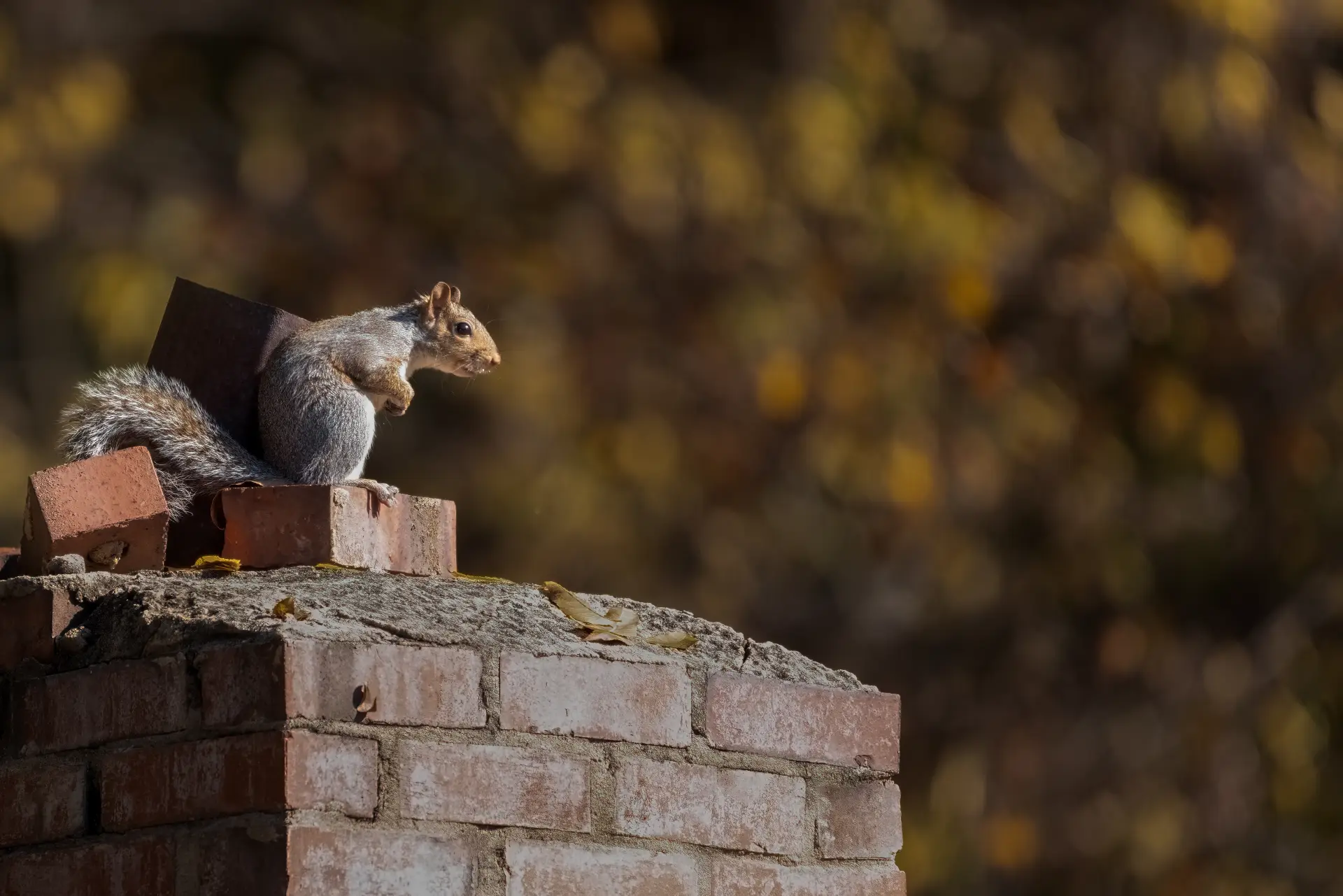
Animals in Chimney in Lexington, KY
Raccoons, swifts, squirrels, bats—if something’s moved into your chimney, we’ll identify what it is, coordinate safe removal, and install a custom cap so it doesn’t come back.
25+
Years in Business
1,500+
Five-Star Reviews
10+
Certified Technicians
5,000+
Annual Inspections
100%
Satisfaction Guaranteed
When Something’s Moved Into Your Chimney
A chimney is ideal shelter for Central Kentucky wildlife—dark, dry, protected from predators. If you’re hearing scratching, smelling a musty odor, or finding debris in the firebox, there’s a good chance something’s moved in.
Our team will inspect your chimney, identify what’s there, coordinate with local wildlife professionals if a live animal needs humane removal, and install a custom chimney cap so nothing gets back in. Don’t light a fire until we’ve had a look—animals and nesting material are a real fire and carbon monoxide hazard.
Common Chimney Intruders in Central Kentucky
These are the animals we see most often in Lexington-area chimneys. Each has its own risks, its own legal protections, and its own removal approach.
Raccoons & Nesting Mothers
Raccoons climb in looking for a den to raise kits. They’re loud, persistent, and can cause real damage to the flue and smoke shelf.
Chimney Swifts
Federally protected under the Migratory Bird Treaty Act. Once they’re nesting, they can’t be disturbed until they leave in the fall.
Squirrels
Fast, curious, and often stuck. A squirrel in a smooth flue usually can’t climb out on its own—don’t try to smoke it out.
Bats
Kentucky’s bat species are protected. Bats require specific handling by licensed wildlife pros—we coordinate removal and handle chimney cleanup afterward.
Birds & Nests
Starlings, sparrows, and other birds use uncapped chimneys as nesting sites. Nesting material is highly flammable and can block the flue.
Debris & Odors
Even after an animal leaves, nesting material, droppings, and dead animals can remain—causing persistent odors and blocking airflow.
What to Expect During Your Appointment
From the first call to a capped, secured chimney, here’s how we handle an animal situation.
Inspect
We inspect the chimney inside and out to find entry points, nests, live animals, or debris.
Identify
We confirm what species is involved, whether it’s protected, and whether it’s still in the chimney.
Resolve
We coordinate with local wildlife resources for live removal, then clean out nests, droppings, and debris.
Prevent
We install a custom chimney cap built for your flue and our local wildlife—so nothing gets back in.
What Lexington Homeowners Are Saying
“Great service. Technician arrived right on time for our appointment. He called to let us know he was on the way also which was nice. He clearly explained everything he was doing for us. We received a detailed report of everything that was done including photos right after he left. Would recommend this company!”
“Barnhill Chimney sent Justin to do an inspection. He was professional and knowledgeable. He explained what he was going to do in the inspections, as well as what he was looking for. He explained what he found in detail and answered all the questions I had. Highly recommend Barnhill Chimney.”
“James Jones did a great job! I’d been having trouble last winter with backdraft in my fireplace. James cleaned and inspected it. I appreciate that he took great care to keep my house clean. He was friendly and clearly explained the results of his inspection to me. Can’t say enough great things about this company.”
Frequently Asked Questions
Can you remove a live animal from my chimney?
Live animal removal is handled by licensed wildlife professionals, not chimney sweeps. When we find a live animal during an inspection, we coordinate with trusted local wildlife resources to make sure it’s removed safely and humanely. Once the chimney is clear, we handle cleanup, debris removal, and installation of a custom chimney cap so it doesn’t happen again.
Are chimney swifts protected?
Yes. Chimney swifts are federally protected under the Migratory Bird Treaty Act. Once they’ve moved in to nest, they cannot legally be removed or disturbed until they leave in the fall. We can inspect the chimney, confirm what’s there, and plan cap installation and cleanup for after the nesting season ends.
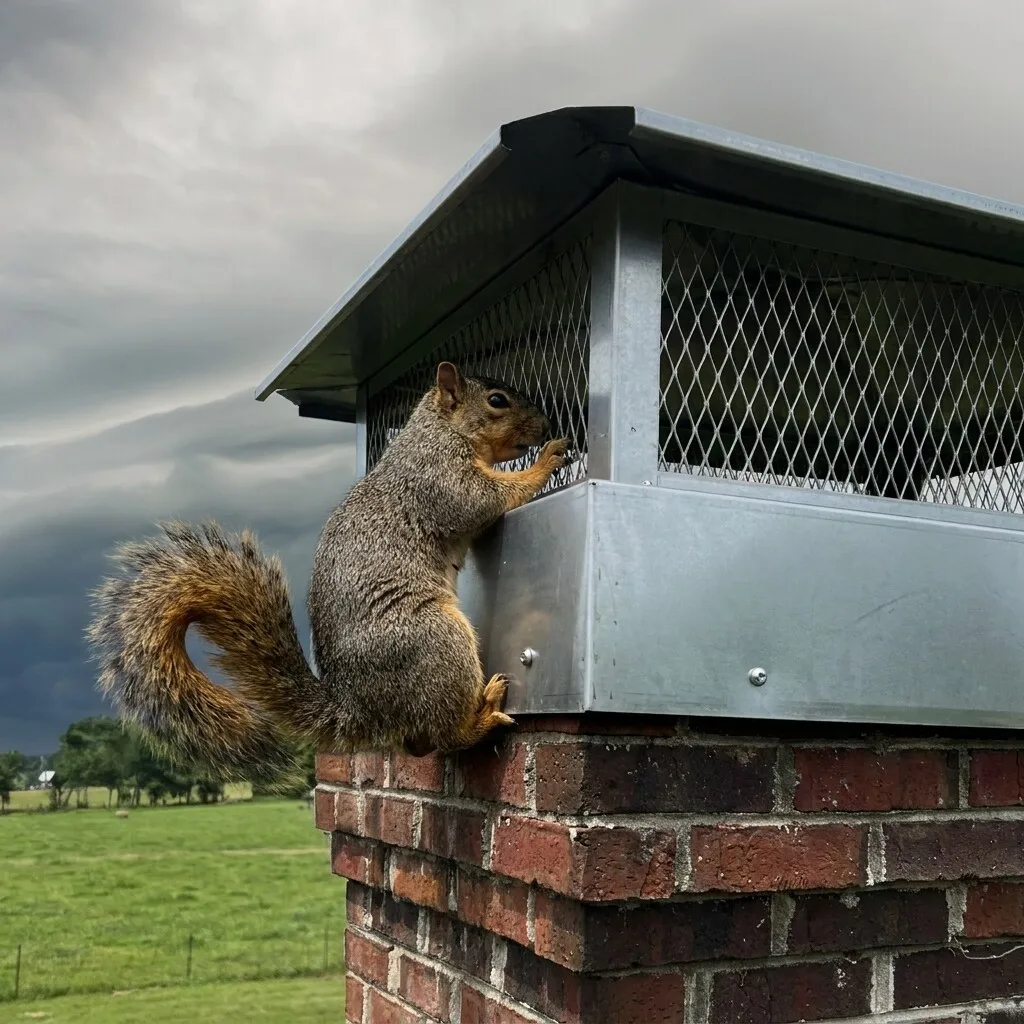
Will a chimney cap keep animals out for good?
A properly sized, securely installed chimney cap is the single most effective way to keep animals out. We custom craft caps for your specific chimney, which means the fit is tight, the screen is appropriate for the local wildlife, and the installation is built to last through Kentucky weather.
My chimney smells or I hear scratching. What should I do?
Schedule an inspection. Scratching, chirping, musty odors, or debris falling into the firebox are all signs something has moved in. Running a fire with an animal or nest in the chimney is a fire and carbon monoxide risk, so don’t light it until we’ve had a look.
Book a Sweep & Inspection Today
Hearing scratching? Smelling something musty? Let’s take a look. Schedule your inspection and we’ll handle it from there.